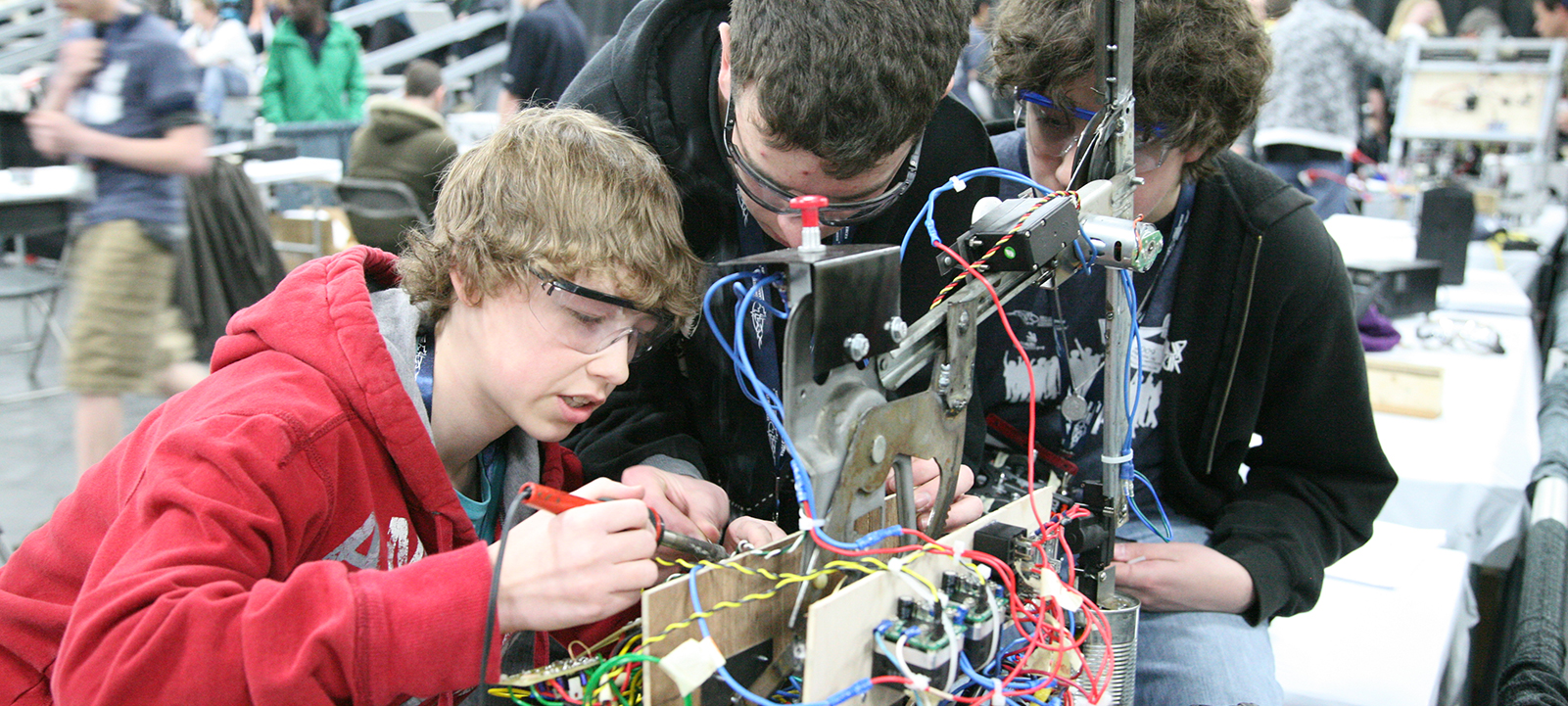
What is Robotics?
Robotics is an interdisciplinary field that involves the design, construction, operation, and use of robots. These machines are programmed to carry out complex actions, often replicating tasks that humans perform. Robotics combines several key areas:
- Mechanics: The physical structure and movement of the robot.
- Electronics: The circuits and components that allow the robot to sense and respond to its environment.
- Programming: The code that controls how the robot behaves and interacts with the world.
Steps to Learn Robotics
- Understand the Basics of Robotics
Before diving into the more complex aspects of robotics, it’s essential to grasp some foundational concepts. These include:
- Types of Robots: Learn about different types of robots such as autonomous robots, industrial robots, humanoid robots, and robotic arms.
- Key Components: Understand the basic components of a robot—sensors, actuators, control systems, power supplies, and microcontrollers.
- Applications of Robotics: Explore where robots are used, from manufacturing and healthcare to space exploration and home automation.
You can start by reading books, watching documentaries, or browsing online articles and tutorials. “Robot Builders Bonanza” by Gordon McComb is a popular book for beginners interested in hobby robotics.
- Start with Basic Electronics
Robots rely on electronic circuits to process inputs and execute commands. Learning basic electronics is crucial to understanding how your robot will sense the environment and perform actions. Here’s what you need to know:
- Ohm’s Law: Learn about the relationship between voltage, current, and resistance.
- Circuits: Understand how to build simple circuits using resistors, capacitors, diodes, and transistors.
- Microcontrollers: Get familiar with microcontrollers such as Arduino or Raspberry Pi, which are commonly used to control robots.
Begin by experimenting with simple electronic projects, such as lighting up an LED, controlling a motor, or reading sensor data using Arduino.
- Learn Programming for Robotics
Programming is the brain behind any robot, controlling how it behaves and reacts to its environment. You’ll need to learn coding to tell your robot what to do. Some of the most commonly used languages in robotics include:
- Python: A versatile and beginner-friendly language, widely used in robotics for scripting, automation, and controlling robots.
- C/C++: These are often used in robotics for low-level control and real-time systems, especially with microcontrollers like Arduino.
- ROS (Robot Operating System): ROS is a powerful framework used in robotics research and development. It provides tools and libraries that help developers create complex and scalable robot applications.
You can start by learning Python or C/C++ with a focus on robotics-related exercises such as controlling sensors, motors, and movement.
- Work with Robotic Kits
Robotic kits are a great way to start building robots without needing advanced knowledge. These kits come with all the necessary components, along with step-by-step instructions, which make learning robotics accessible for beginners. Some popular kits include:
- LEGO Mindstorms: A popular kit that allows users to build and program robots using LEGO bricks and a visual programming environment.
- VEX Robotics Kits: Aimed at both beginners and advanced users, VEX offers kits for building both simple and complex robots.
- Arduino Starter Kits: Arduino kits help beginners understand electronics and programming by offering various sensors, motors, and microcontrollers to build robotic systems.
These kits not only provide a hands-on introduction to robotics but also allow you to experiment with building different types of robots.
- Experiment with Simple Projects
Once you have a basic understanding of electronics, programming, and robotics, it’s time to start working on your own projects. Here are a few beginner-friendly ideas to get you started:
- Line-Following Robot: A robot that uses sensors to detect and follow a line on the ground.
- Obstacle-Avoiding Robot: A robot that uses ultrasonic sensors to detect and avoid obstacles.
- Robotic Arm: A simple arm that can be programmed to pick up and move objects.
Start small and gradually add more complexity to your projects as you become more comfortable with the different aspects of robotics.
- Join a Robotics Community
Learning robotics is much more rewarding when you’re part of a community. By joining online forums, local maker spaces, or attending robotics clubs and competitions, you’ll get the chance to learn from others, share your projects, and get valuable feedback.
Here are a few online communities to check out:
- Reddit: Subreddits like r/robotics and r/arduino are great places to ask questions and share your progress.
- Robotics Stack Exchange: A Q&A site where you can get help from experienced robotics enthusiasts and professionals.
- Hackster.io: A platform where makers share their hardware projects, including many robotics tutorials and ideas.
- Understand Mechanical Design
As you advance in robotics, you’ll need to understand how to design the physical structure of your robot. This involves learning about mechanical systems, such as gears, motors, and linkages, as well as materials and construction techniques. Computer-Aided Design (CAD) software like Autodesk Fusion 360 or SolidWorks can help you design and simulate robot parts before building them.
- Study Robotics Mathematics
Robotics heavily relies on mathematics, especially in areas like kinematics (movement of robots), control systems, and artificial intelligence. Some key mathematical concepts to learn include:
- Linear Algebra: Essential for understanding transformations and movement in robots.
- Calculus: Important for modeling dynamic systems and robot motion.
- Probability and Statistics: Used in robot perception and decision-making algorithms, such as for SLAM (Simultaneous Localization and Mapping) and sensor fusion.
Don’t let the math scare you—start with the basics and gradually work your way up as needed for your specific projects.
- Explore Artificial Intelligence and Machine Learning
Many advanced robots use artificial intelligence (AI) and machine learning (ML) to navigate complex environments and make decisions. By integrating AI with robotics, you can create intelligent robots capable of adapting to new situations, recognizing objects, or even learning new tasks.
Popular AI frameworks like TensorFlow and PyTorch can be used in robotics to train models for tasks such as vision recognition or autonomous navigation.
- Stay Updated with Robotics Trends
Robotics is an ever-evolving field with new advancements in AI, materials, sensors, and control systems. Keep yourself informed by following robotics news, attending conferences, and reading academic papers or popular science publications. Websites like IEEE Spectrum and Robohub are great resources to stay updated on the latest in robotics.
Final Thoughts
Learning robotics is a fascinating journey that requires a combination of creativity, technical skills, and persistence. Start by building a strong foundation in electronics and programming, then experiment with small projects to gradually build your skills. Along the way, remember to engage with the robotics community, learn from others, and continue challenging yourself with new projects.
Whether you’re interested in building robots as a hobby or pursuing a career in robotics, the possibilities are endless. With dedication and practice, you’ll be well on your way to designing and programming your own robots that can solve real-world problems and even push the boundaries of what’s possible.
Happy building!